Free Shipping on Orders $100+
Build Your Truck in 3D with RealTruck Builder

TRUCK STEP
FINDER
FIND THE RIGHT STEPS FOR YOU
Fixed Running Boards
Only display items that ship the quickest
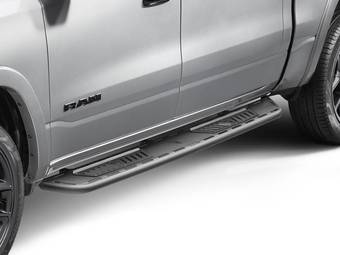


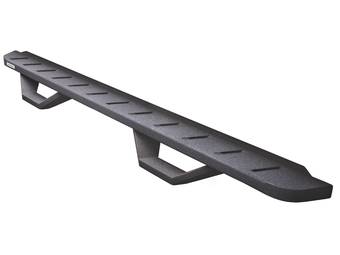
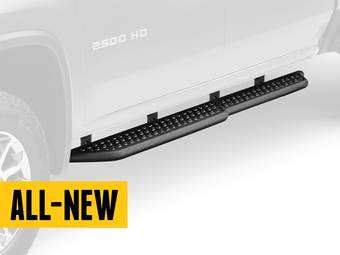
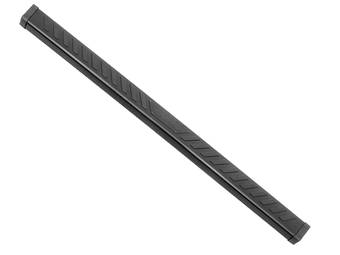

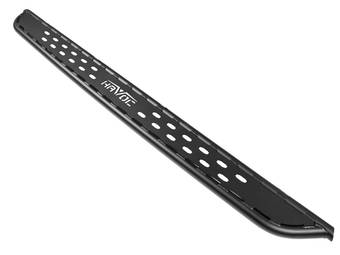
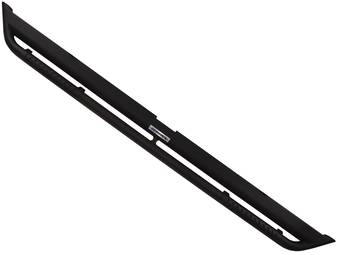
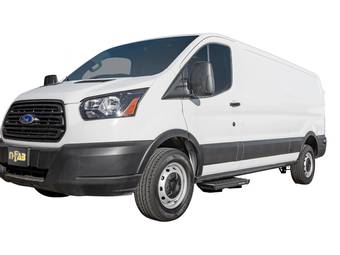
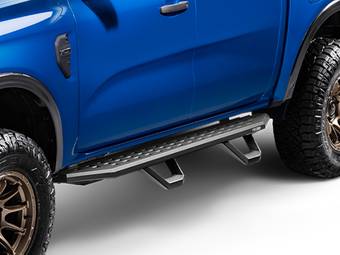
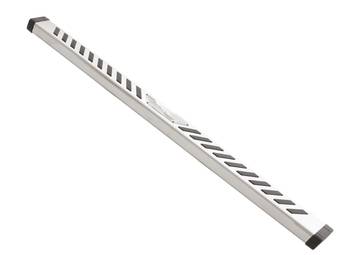
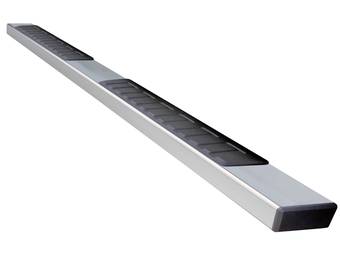
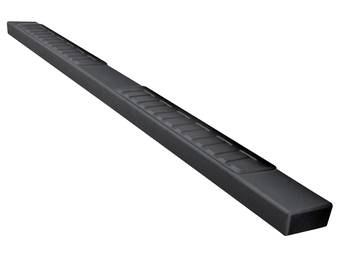
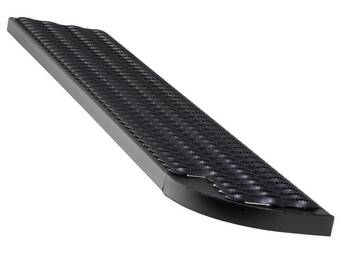
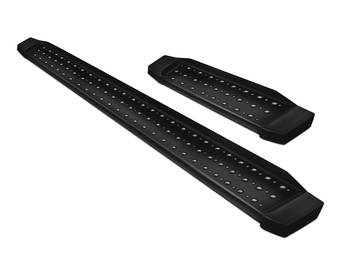
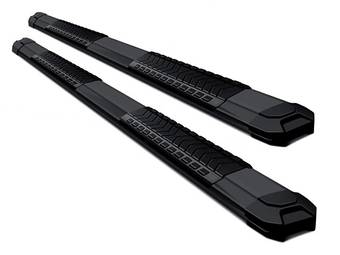
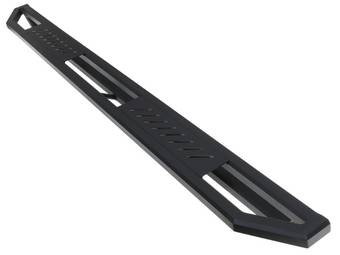
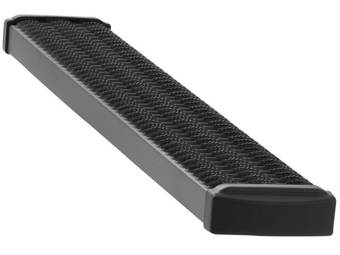
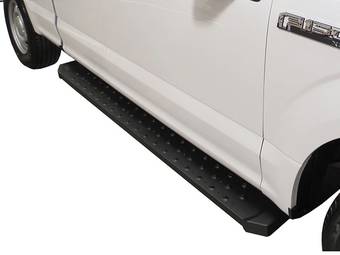
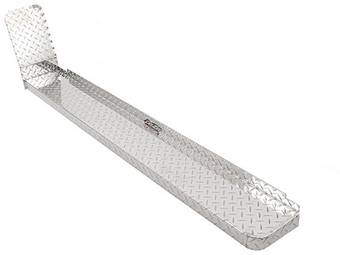
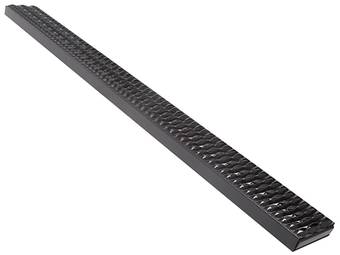
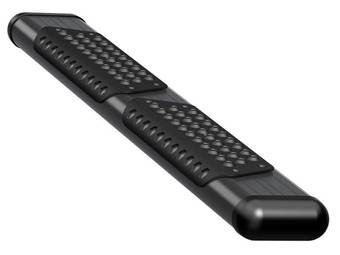
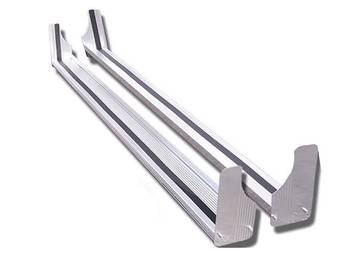
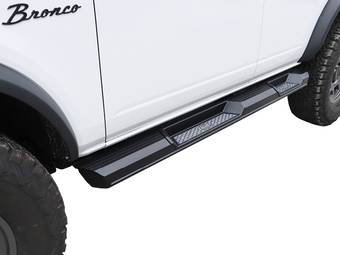
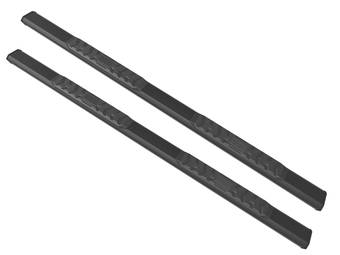
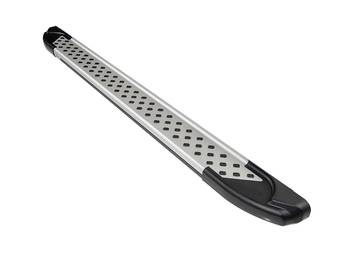
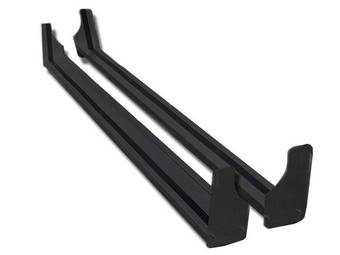
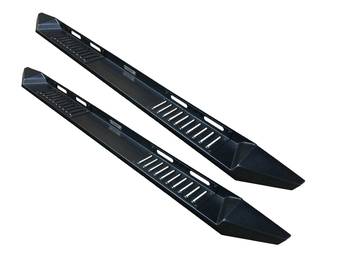
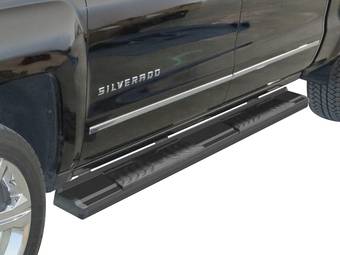
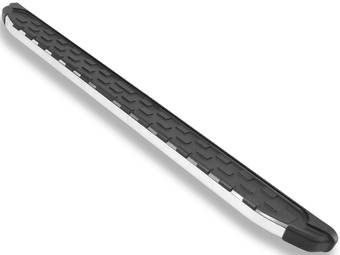
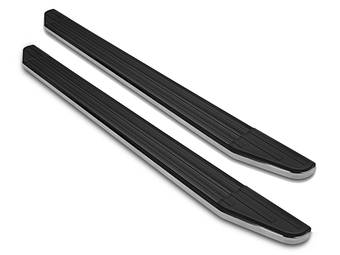

Easy to Install, Rust-Resistant Fixed Running Boards
Fixed running boards are permanent, bolt-on steps that stay in place whether the doors are open or closed. No motor, no wiring, no sensors—just a solid step along the rocker panel that makes getting in and out easier and keeps working the same way in the dead of winter as it does in the heat of summer. If you want power boards that deploy automatically, you're looking for electric running boards. If you want tubular nerf bars or wheel-to-wheel coverage, those have their own pages too. Here, you’ll find heavy-duty, fixed-position running boards engineered for strength, stability, and rocker protection.
Those four decisions are the basis of any side step purchase. Step height determines the level of accessibility assistance. Width is about comfort and boot size. Material is a climate question—aluminum, stainless steel, and powder-coated carbon steel each behave differently in salt, cold, and sun. Finish is partly durability and partly aesthetics, determining how well the product matches your vehicle and how long those looks will last.
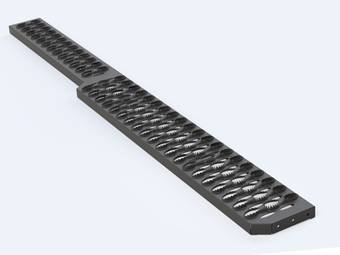
Traction deserves its own sentence because it is the single most-discussed complaint about running boards in owner forums—a wet or frozen step that transfers slippery mud onto a boot rather than shedding it. Perforated, open-grate step surfaces let water, slush, and snow through rather than holding moisture. This is a safety detail, not a styling choice, and it matters most to the buyers who need the board the most—early mornings in winter, in heavy boots, stepping down onto pavement or gravel. Our buyer's guide covers specific products by use case if you want more depth before deciding.
Fixed Running Board Materials and Finishes
Material is a climate decision before it is a budget decision, and it is worth getting right—because the brackets and hardware corrode on a different timeline than the board, and that is the detail most product pages skip entirely. Check both.
Aluminum
This alloy does not rust, weighs less than steel, and is the common recommendation for salt-belt driving and coastal air. It is softer than steel, so it dents more easily from rocks and trail debris, but in an environment where salt is the main threat, aluminum is the durable choice. The step surface and brackets are typically aluminum, so the whole system holds up consistently rather than one component outlasting the other. Popular aluminum running board manufacturers include Go Rhino®, Ionic®, Westin®, and Dee Zee®, in both polished and matte finishes.
Stainless Steel
Stainless running boards offer strong corrosion resistance and a brighter, mirror-polished look that suits certain trucks well. They are heavier than aluminum and cost more. It is worth knowing that stainless steel can still stain or pit where salt sits undisturbed for extended periods—it resists corrosion better than carbon steel—it does not eliminate it. If finish longevity and a clean chrome-like look matter as much as weather resistance, stainless is the right material. Luverne® and N-FAB® both carry stainless options in this catalog.
Steel
Powder-coated carbon steel is the strongest of the three and the most affordable, and its long-term durability depends almost entirely on coating quality. A multi-stage or textured powder coat holds up much better than a single thin coat, especially at mounting points, where chips happen first, and rust follows. Black powder-coated steel running boards are the most common finish in the category and suit blacked-out builds, work trucks, and any application where a matte functional look fits better than polished. Go Rhino, Ionic, and Black Horse® all carry black powder-coated options. Whatever material you choose, look at the bracket spec on the product page—brackets in a cheaper material than the board are where most long-term corrosion problems start.

The Wet Board Test
Water sheds off so your boots grip.

Three Materials
Same board. Three very different answers to road salt.

The Drop Step Difference
A few extra inches of drop makes a considerable difference.
Fixed Vs. Power Running Boards
Fixed running boards mount to vehicle-specific brackets, usually to existing factory holes without drilling, and stay there. The entire system includes a board, vehicle-specific brackets, and a handful of fasteners. Fixed steps don’t include a motor to seize, a wiring harness to fail in cold weather, sensors to confuse, or anything to pack with ice and stop closing. The upfront cost is meaningfully lower than a power set, and nothing will fail out of warranty.
Power running boards deploy when a door opens and retract when it closes, which gives you ground clearance when the boards are up and a lower step when they are down. If a clean look with the doors closed matters to you, or if you need the lowest possible step height and are willing to manage the additional complexity, power is the better fit. Browse electric running boards and the full comparison in our side steps guide.
Why Choose RealTruck's Fixed Running Boards?
RealTruck owns Go Rhino, Ionic, and Havoc, which means the manufacturer and retailer are one and the same for several of our top-selling, highest-reviewed products. Warranty questions and fitment issues go directly to us, without a third party in between. The catalog also includes Westin, Luverne, Dee Zee, N-FAB, Lund®, and Black Horse—brands with their own manufacturer sites that each sell one line well. The difference here is that you can compare aluminum against stainless against powder-coated steel, slim against wide against drop step, all on one site filtered to your exact truck’s fitment.
Step height, width, finish, and traction are the critical variables when shopping for steps. Drop step boards hang lower than standard boards and are the pick when access is the primary reason for the purchase. Slim boards give up less ground clearance than wide flat boards, which matters if your truck sees steep approaches or unpaved roads. Perforated and open-grate step surfaces shed water and slush through rather than holding it, which is a meaningful safety detail in winter. Our installation guide walks through the process, and the sales team is available seven days a week for fitment questions.
Here are some additional reasons to shop from RealTruck:
Aluminum, stainless steel, and powder-coated carbon steel, all in one fitment-verified catalog—choose by climate, not by price alone
Drop step, slim, and wide styles across Go Rhino, Ionic, Westin, Luverne, N-FAB, Dee Zee, and more
No-drill, bolt-on installation on most of the catalog, using existing factory mounting points
Guaranteed Fit coverage on eligible boards ordered for a specified vehicle—enter your truck in the selector before you browse
Free shipping on orders over $100 to the lower 48, including freight items
FAQs About Our Fixed Running Boards
Q: What Are Fixed Running Boards?
A: Fixed running boards, sometimes called static or stationary boards, mount permanently along the rocker panel and stay in place whether the doors are open or closed. They have no motor, wiring, or moving parts—unlike power or retractable boards that deploy when a door opens. Most mount to vehicle-specific brackets using existing factory holes, so installation is a bolt-on job with standard hand tools for most applications. Our complete guide to running boards, nerf bars, and side steps covers the full category if you want to compare styles before deciding.
Q: Fixed or Power Running Boards—Which Should I Choose?
A: Choose fixed if you want simplicity and value. No motor to seize, no wiring to fault, and nothing to pack with gravel, ice, or road salt—and the up-front cost is meaningfully lower. Choose power if ground clearance with the doors closed matters to you, if you want the cleanest possible look, or if you need the lowest possible step height and are willing to manage the added complexity.
Q: Aluminum, Stainless Steel, or Powder-Coated Steel—Which Running Board Material Should I Pick?
A: Pick by climate and use. Aluminum doesn't rust and weighs the least, making it a common choice in salt country and coastal air—though it dings more easily than steel. Stainless resists corrosion well and has a brighter finish, but it weighs more and costs more, and it can still stain or pit where salt sits undisturbed. Powder-coated carbon steel is the strongest and most affordable, and its lifespan depends almost entirely on coating quality—look for a multi-stage or textured finish, and check what the brackets are made of before you order, since hardware typically corrodes first.
Q: How Much Ground Clearance Do Running Boards Cost Me?
A: Enough to matter if you go off-road regularly, and not enough to notice if you do not. A running board hangs below the rocker panel, and how far depends on the style—slim and tapered boards sit tighter to the body than wide flat boards, and drop steps hang lowest by design because access is the point. If clearance is the priority, hoop steps give you a step with the least intrusion. If you want body protection rather than a step, rock sliders are the right answer. Our guide to the best steps for lifted trucks covers that decision in detail.
Q: How Much Weight Can a Fixed Running Board Hold?
A: Weight ratings vary by board and mounting style and are listed on each product page—check the specific board rather than assuming a category average. What matters as much as the number is bracket spacing—a board with more mounting points across its length flexes less than one with fewer, and that is worth looking at in the product images. If more than one person will regularly be on the board at once, or if you are stepping up with tools or a child in your arms, choose a heavier-duty board rather than the lightest one that fits.
Q: Do RealTruck Running Boards Ship Free, and What Happens If They Do Not Fit?
A: RealTruck's current policy is free shipping on orders over $100 to the lower 48 states, including freight items, which running boards typically are. On fitment, boards showing the Guaranteed Fit badge have been verified against the vehicle you entered in the Shop by Vehicle selector—if a Guaranteed Fit product does not fit as specified, RealTruck covers the return. Enter your vehicle before you browse rather than shopping by eye, since cab configuration is where most fitment mistakes happen.