Free Shipping on Orders $100+
Build Your Truck in 3D with RealTruck Builder

Bug Shields & Deflectors
Only display items that ship the quickest
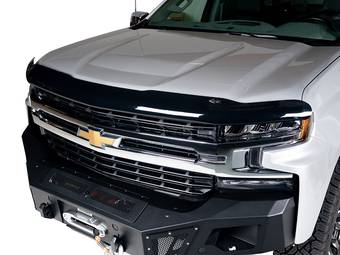


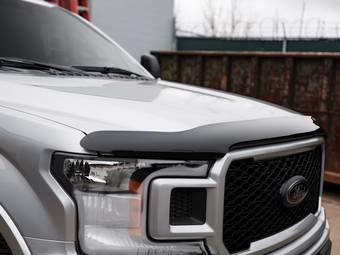

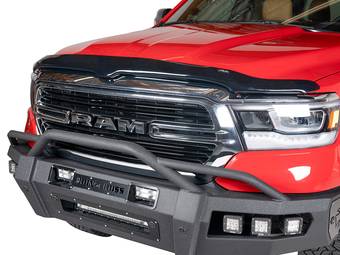
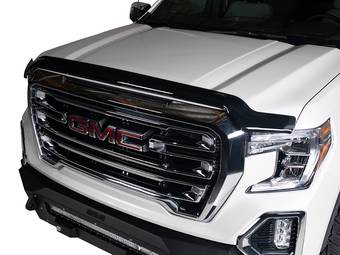
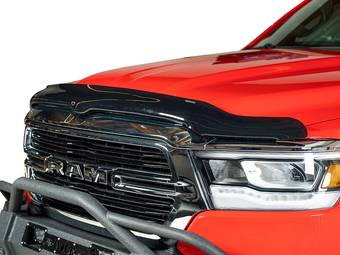
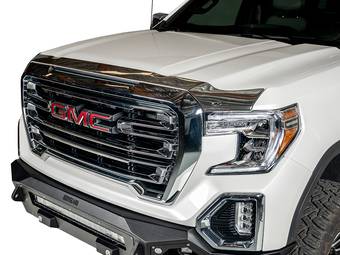
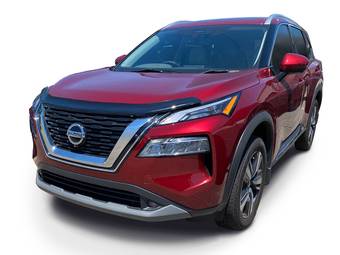
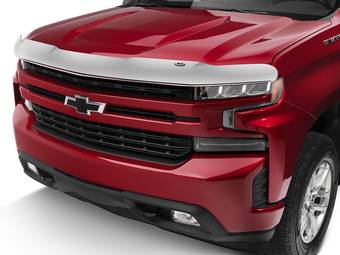
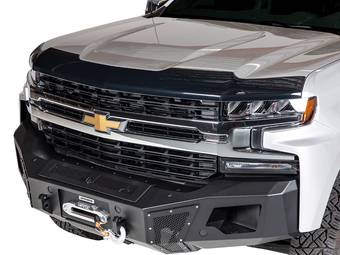
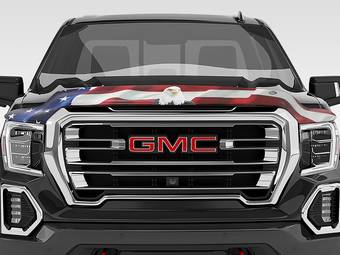
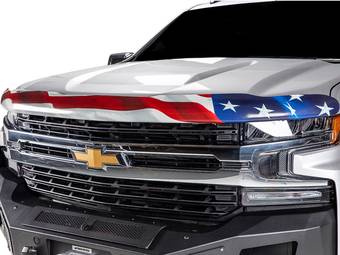
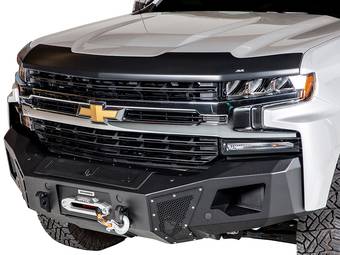
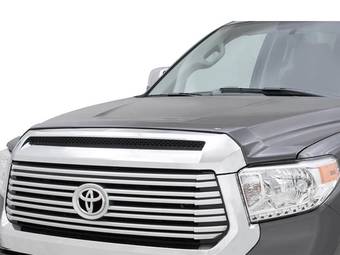
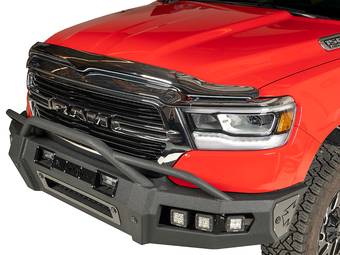
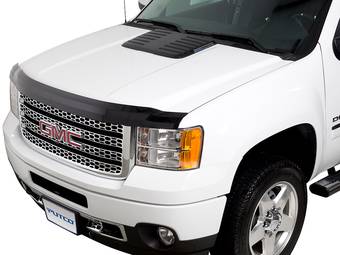
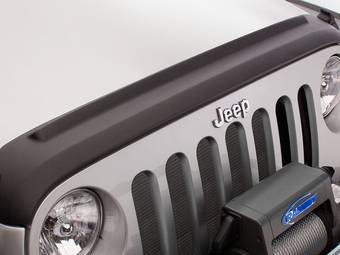
Protective, Seamless Fitted Truck Bug Shields
A bug shield (or bug deflector) mounts at the leading edge of the hood and redirects airflow so bugs, grit, and road debris travel up and over the windshield rather than into it. It works best at highway speed, where there is enough airflow to do the job.
Most of this catalog installs without drilling—vehicle-specific clips, existing hood hardware, or automotive-grade tape—in under an hour with basic hand tools. Fitment is molded to your specific hood shape, and that precision matters more here than on most accessories, because a shield that is close but not exact is the one that contacts the paint at speed. Enter your vehicle in the ‘Shop by Vehicle’ selector before you browse.
If you want stone chip protection across the hood surface rather than debris deflection at the leading edge, check out our selection of hood protectors rather than bug shields. Learn more about what separates these two common forms of hood protection in our bug deflector vs. hood protector guide.
Bug Shield or Hood Protector?
A bug shield mounts at the hood's leading edge and redirects airflow to carry debris over the windshield. A hood protector adheres to the hood surface and acts as a physical barrier against stone chips—different products, different jobs. The names get used interchangeably across the industry.
How Do Bug Deflectors Work?
A bug shield—also called a hood deflector or bug guard—does not absorb impacts. It changes the airflow at the front edge of the hood so incoming debris is carried up and over the windshield instead of into it. At highway speed, that airflow effect is real and measurable. A deflector redirects a meaningful share of what would otherwise hit your hood and glass on long highway runs—though it won’t stop everything.
Some drivers have heard the horror stories of bug deflectors abrading paint—the truth is, a bug guard causes zero paint damage when it fits properly. Two things cause the wear consumers may claim is the direct result of the protector. A shield that flexes enough at speed to contact the hood will abrade the paint where it touches—that is a fitment problem. More commonly, grit collects in the gap between the shield and the hood and acts as an abrasive over time. Both are easily avoidable—buy a vehicle-specific shield, confirm it stands off the hood correctly, and rinse underneath when you wash the truck.
Considerations When Shopping for a Bug Deflector
Fitment
Vehicle-specific shields are molded to your hood's exact contours. A quality bug deflector requires no adjustment or massaging to sit flush—if it does, it is not the right fit. Proper standoff from the hood is what keeps the shield off the paint at speed.
Aerodynamics and Paint Safety
A hood deflector that is too flexible or too close to the hood can contact the paint at highway speeds, and grit that collects in the gap underneath acts as an abrasive over time. The answer is correct fitment plus cleaning under the shield when you wash the truck—same as anything else mounted to paint. This is the objection most often raised in owner forums, and the fix is straightforward.
Car Wash Safety
Most quality bug shields handle automatic washes. Budget shields—especially those with a pronounced leading edge—can catch on roller brushes. Check the product before you assume. A touchless or hand wash is always the better choice for paint and for the shield.
No-Drill Installation
Most vehicle-specific shields in this catalog mount without drilling, using existing hardware, clips, or automotive-grade tape. Some applications do require drilling—the product description will say so. Read it before ordering.
UV and Scratch Resistance
Better shields use ABS plastic, polycarbonate, or acrylic—all UV- and scratch-resistant materials. Budget shields in thinner or lower-grade materials yellow, haze, and crack faster. AVS® uses Dura-Flex® 2000 TPO on premium lines. Acrylic is used across Stampede® and several other brands here for clarity and UV stability.
Warranty
Finish warranties vary considerably. Premium shields typically carry longer coverage. A warranty that covers finish defects—not just structural failure—is worth checking before you buy.
Bug Deflector Styles and Finishes
Most bug shields use one of three materials—ABS plastic for a tough, matte black finish—polycarbonate for a stiffer, semi-transparent construction—or acrylic for clarity and UV resistance. Each handles weather and UV differently, and the catalog carries all three.
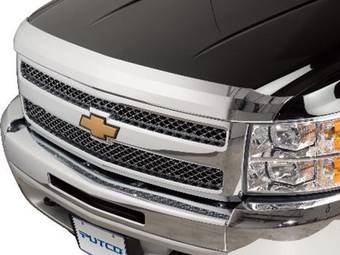
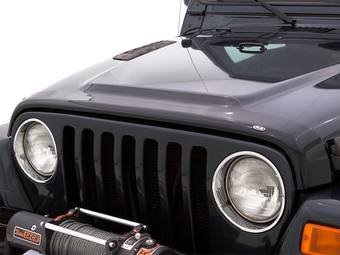
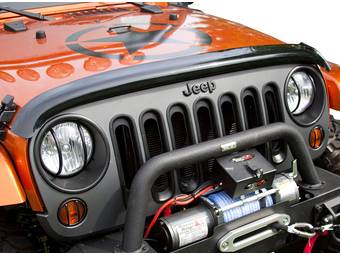
Finish is the second decision. Smoke is the default—semi-transparent, works with most trucks, and does not announce itself from twenty feet away. Matte black suits blacked-out builds and fits naturally alongside most factory trim. Chrome leads the styling end and suits trucks already running polished hardware. Color-match is the closest thing to a factory appearance available in this category—the shield is painted to your OEM paint code, which is what a buyer picks when they want the protection without the aftermarket look. Low-profile designs hug the hood line and sit noticeably closer to the body than a standard hood deflector, which is for anyone who wants the benefit without the visual profile.
Illuminated shields are a separate tier. The AVS Aeroskin LightShield™ PRO integrates a built-in LED strip with sequential turn signal and hazard display—protection and a functional lighting feature in one part.

The Airflow, Made Visible
It moves the air, not just the bugs.

Four Finishes, One Truck
Smoke, matte, chrome, or painted to match.

Low Profile vs. Standard
Choose your preferred style.
Why Choose RealTruck's Bug Shields?
AVS, Stampede, Husky Liners®, Putco®, Rugged Ridge®, Rampage®, and Bushwacker® are all in this catalog. Every manufacturer page ranking for these terms sells one brand. No page on this SERP answers which of these you should buy—that is the question every shopper here has, and it is the one a single-brand site cannot answer.
What the price spread buys—material grade, how precisely the shield is molded to your specific hood, UV finish durability, low-profile design, and warranty coverage. A budget shield and a premium one look nearly identical in a thumbnail. The difference shows up in two seasons of UV exposure, in whether the shield contacts the paint at highway speed, and in whether the manufacturer covers finish defects. AVS carries the widest range of styles and finishes, including low-profile, color-match, and LED options. Husky Liners is the snug custom-fit pick at the premium end. Stampede is a genuine value with a real warranty. Putco leads the chrome and styling-forward end. Bushwacker, Rugged Ridge, and Rampage cover Jeep and off-road applications.
AVS, Stampede, Husky Liners, Rugged Ridge, Rampage, and Bushwacker are RealTruck brands—warranty support and fitment questions go directly to us—no third party. Other reasons to shop bug shields and hood protectors at RealTruck include:
Seven brands compared on one fitment-verified page, from value to premium and styling to off-road durability
No-drill installation on most applications, under an hour with hand tools
Smoke, matte, chrome, color-match, and LED finishes across the catalog
RealTruck-owned brands with direct warranty support—AVS, Stampede, Husky Liners, Rugged Ridge, Rampage, and Bushwacker
Guaranteed Fit coverage on eligible shields ordered for a specified vehicle
FAQs About Our Truck Bug Shields
Q: Do Bug Deflectors Actually Work?
A: Yes, within limits. A bug deflector changes the airflow at the leading edge of your hood so bugs, grit, and small debris are carried up and over the windshield instead of into it. At highway speeds, where airflow is strong enough to do the job, it works. Around town, deflectors are less effective. While these accessories won’t stop everything, they redirect a meaningful share of what would otherwise hit your hood and glass on long highway runs.
Q: Do Bug Deflectors Damage Paint?
A: A properly fitted bug deflector should not. A poorly fitted or neglected one can. Two things cause the wear people describe—a shield that flexes enough to contact the hood at speed will abrade the paint where it touches—that is a fitment problem. More commonly, grit collects in the gap between the shield and the hood and acts as an abrasive over time. Buy a vehicle-specific shield, confirm it stands off the hood correctly, and rinse underneath when you wash the truck. It is a maintenance point, not a product defect.
Q: What Is the Difference Between a Bug Shield and a Hood Protector?
A: A bug shield mounts at the leading edge of the hood and redirects airflow so debris goes over the windshield. A hood protector adheres to the hood surface and acts as a physical barrier against stone chips. Deflectors protect the windshield and the front edge. Protectors protect paint across the hood. The industry often uses these names interchangeably.
Q: What Is the Best Bug Deflector Brand?
A: Start with what you are optimizing for. AVS carries the widest range—low-profile, color-match, LED, and standard styles. Husky Liners is the snug-fit premium pick. Stampede offers value with a real warranty. Putco offers chrome and other style-focused options. Bushwacker, Rugged Ridge, and Rampage cover Jeep and off-road. What separates them is material grade, fitment precision, UV durability, and warranty length—not price alone. Enter your vehicle first so you are only comparing shields confirmed for your hood.
Q: Can I Run My Truck Through a Car Wash With a Bug Deflector?
A: Usually yes, but confirm on the specific product. Most quality bug shields handle automatic washes. Budget shields with a pronounced leading edge can catch on roller brushes. Regardless, a touchless or hand wash is better for the shield and for your paint. If you use an automatic wash, rinse underneath the shield afterward—that gap is where grit collects.
Q: Do Bug Deflectors Require Drilling?
A: Most do not. Most vehicle-specific shields in this catalog mount using existing hardware, clips, or automotive-grade tape in under an hour with basic hand tools. Some applications require drilling—the product description will say so.
Q: Will a Bug Shield Fit My Truck, and What If It Does Not?
A: Enter your year, make, and model in the Shop by Vehicle selector before you browse—the page filters to shields confirmed for your hood. Fitment precision matters more here than with most accessories because it keeps the shield off your paint. Products with the Guaranteed Fit badge have been verified against the vehicle you entered, and if one doesn't fit as specified, RealTruck covers the return. You can find current policy details on our Returns page.