Free Shipping on Orders Over $100
Four Bad Sway Bar Link Symptoms
Updated on Nov 11, 2025


When it comes to suspension issues, most drivers immediately think of shocks, struts, or worn-out bushings. But if your ride is clunking through corners, handling like a boat, or chewing through tires unevenly, another often-overlooked suspect is the sway bar links.
Sway bar links may be small, but they play a significant role in keeping your vehicle stable and predictable on the road—especially when cornering or driving over uneven surfaces. And when they start to wear out, your vehicle won’t stay quiet about it.
Before we dive into the symptoms of a failing sway bar link, let’s first understand what this component is, what it does, and why it’s so critical to your suspension’s performance.
What Does a Sway Bar Do?

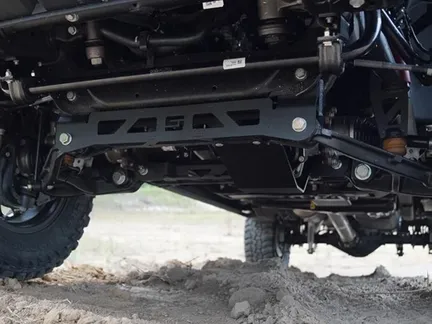
A sway bar—also known as an anti-roll bar or stabilizer bar—is a critical component of your vehicle’s suspension system. Its job is to reduce body roll and keep your vehicle level when cornering, especially during sharp turns or uneven road conditions.
The sway bar itself is a solid or hollow steel bar that connects the left and right sides of the suspension. When your vehicle leans to one side during a turn, the sway bar twists to resist that motion, helping to keep all four wheels planted and your body level. This results in a more controlled, stable, and predictable ride.
In short, the sway bar makes your vehicle feel more composed and agile—whether you're navigating winding roads, changing lanes at high speeds, or simply dodging potholes.
What Does a Sway Bar Link Do?
While the sway bar is responsible for controlling body roll, it can’t do the job alone. That’s where the sway bar link comes in.
A sway bar link is a short rod or linkage that connects the sway bar to the suspension components—usually the control arms or struts. Most modern vehicles have one link on each side of the suspension, and depending on your setup, they may include ball joints or rubber bushings to allow movement while keeping everything tight and secure.
What Causes Sway Bar Links to Go Bad?
Signs of Bad Sway Bar Links
Because sway bar links are constantly in motion, they’re prone to wear over time—especially if you regularly drive on rough roads, haul heavy loads, or push your suspension off-road. When a sway bar link begins to fail, it often results in noticeable changes in the way your vehicle sounds, feels, and handles.
Here are four telltale symptoms of a bad sway bar link that every driver should know.
Clunking Noises
One of the first signs of a failing sway bar link is a clunking or knocking noise, especially when driving over bumps, potholes, or rough surfaces. These sounds typically come from the front or rear suspension and are caused by loosened joints or worn-out bushings inside the link, allowing components to move around and strike each other.
If the noise disappears on smooth pavement but returns over uneven terrain, your sway bar link may be the culprit.
Instability
Sway bar links help keep your vehicle level and composed when the suspension shifts from side to side—such as during turns or when changing lanes. When a link is worn or broken, it compromises that lateral stability, making your vehicle feel unsettled or unpredictable.
You might notice a sense of "roll" even during minor maneuvers or feel the body sway more than usual on curves or exit ramps. This instability can be even more pronounced on lifted trucks or vehicles with off-road suspension setups.
Poor Handling Characteristics
In addition to body roll and instability, a bad sway bar link can negatively affect overall handling. You may experience vague or delayed steering response, excessive lean through corners, or a general lack of precision and control—especially at higher speeds or during evasive maneuvers.
Drivers often describe it as the truck feeling "floaty" or disconnected from the road. While several suspension components can cause this, worn sway bar links are a common and often overlooked factor.
Uneven Tire Wear
Worn or damaged sway bar links can indirectly affect your wheel alignment, especially if they allow excessive suspension movement. This damage can lead to uneven tire wear, most often visible as feathering, cupping, or inner/outer wear.
If your tires are wearing out faster than expected or showing strange patterns—especially alongside other handling symptoms—it’s worth inspecting the sway bar links as part of your suspension check.
How Long Can You Drive with a Broken Sway Bar Link?
Technically, you can drive with a broken sway bar link—but that doesn’t mean you should. A single broken link won’t prevent your vehicle from moving, but it will seriously compromise your suspension’s ability to manage body roll and maintain stability.
Without a functional sway bar link, your vehicle may feel unstable, especially during cornering, sudden maneuvers, or while driving on uneven terrain. This failure can lead to unpredictable handling, increased body lean, and even uneven tire wear over time.
In short—driving with a broken sway bar link isn’t safe, and we don’t recommend it. If you suspect an issue, it’s best to inspect and replace the faulty link as soon as possible to restore your vehicle’s control and ride quality.
Shop Replacement Sway Bar Links
A faulty sway bar link may seem like a minor issue, but it can have a significant impact on how your vehicle handles, rides, and wears out its tires. From clunking noises to unpredictable handling, the symptoms are hard to ignore—and shouldn’t be.
The good news? Sway bar links are relatively affordable, straightforward to replace, and can make a significant difference in your truck’s performance and safety. Need to replace yours? Check out our full selection of sway bars and sway bar links to get your ride back in top shape.
Shop Now
RealTruck is your home for the best products to outfit your build for unforgettable adventures.
Bed Liners and Mats | Fender Flares | Exhausts and Mufflers | Suspension
See More Guide Articles Here...
- …
Join over 2 million RealTruck people
Get exclusive savings, insider information, and the latest RealTruck articles sent straight to your inbox.