Spring Savings - Up to $400 Off! Shop Deals
Truck Vs. SUV Off-Road: Which is Right For You?
Updated on Nov 13, 2025


If you’re looking to dive into the world of off-roading, one of your first big decisions comes in the form of choosing your platform. The two most common—Trucks and SUVs—offer unique strengths and compromises, but which is right for you?
In this guide, we’ll break down the key differences between how trucks and SUVs perform off-road. From size and practicality to modification potential, this article will help you discover which application best suits your needs, lifestyle, and off-road goals.
Whether you’re shopping for a brand-new ride or upgrading your current rig, understanding how these two platforms perform on the trail is the first step to determining which is right for you. But first, let’s get some background on off-roading and why selecting the right platform is so crucial.
What Is Off-Roading?
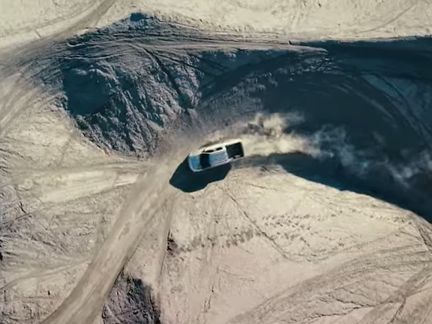
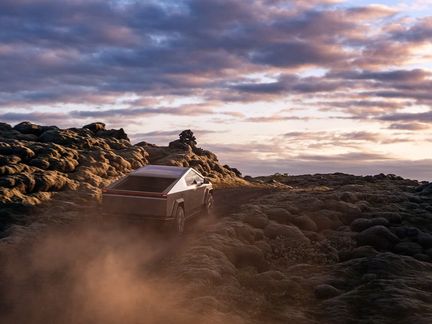
Off-roading is a popular automotive pastime involving piloting your vehicle across rough, unpaved terrain, such as technical trails, sandy dunes, or snowy mountains. It’s a hobby that requires traction, ground clearance, durability, skill, and a well-built platform.
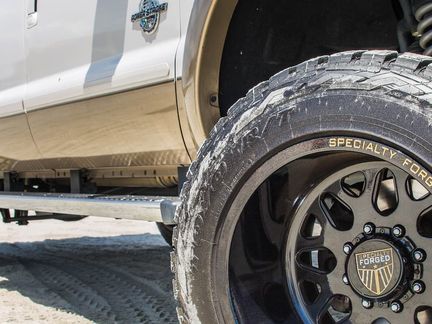
While many modern trucks and SUVs come equipped with four-wheel drive (4WD) or all-wheel drive (AWD) systems, they aren’t all designed to handle extreme off-road conditions. It’s for this reason that choosing the proper platform and outfitting it with the tight off-road accessories—like lift kits, off-road rides, and recovery gear—is a must.
Trucks Vs. SUVs Off-Roading: At a Glance
Here’s a quick comparison of how trucks and SUVs stack up in key off-road categories, including size, cargo capacity, and more.
Category | Trucks | SUVs |
Size and Wheelbase | A longer wheelbase improves stability while limiting maneuverability. | A shorter and more compact design is easier to maneuver around obstacles. |
Cargo Capacity | A larger, open bed makes hauling gear, tools, and recovery equipment a breeze. | A smaller, enclosed cargo area that’s more protected against theft and inclement weather. |
Suspension | A traditionally leaf-sprung rear suspension paired with multi-link or independent front suspension. | A traditionally coil-sprung rear suspension and independent front suspension. |
Fuel Economy | Generally lower fuel economy due to size and weight. | Generally more fuel efficient, especially compact and mid-size models. |
Towing Capacity | Higher towing and payload ratings. | Lower towing capacity is only adequate for light cargo. |
Weight Distribution | Front-heavy, uneven weight capacity. An unloaded bed can significantly reduce rear traction. | More balanced weight distribution for more consistent traction. |
Aftermarket Support | Typically extensive, though it depends on the application. | Typically strong, though often model-specific depending on the platform. |
Suspension and Off-Road Prowess

Suspension is one of the most significant factors differentiating how trucks and SUVs perform on the road. Most SUVs utilize coil-sprung, four-link rear suspension paired with an independent front suspension (IFS). This setup allows for a smoother ride, improved articulation, and more consistent contact with the ground over uneven terrain, resulting in more consistent traction.
On the other hand, trucks typically feature heavier-duty suspension technology to handle heavy payloads and towing duties. Dated yet reliable tech like leaf springs results in a less comfortable ride and reduced articulation. That being said, several new trucks, like the Ram 1500 and 2500, Ford Raptor, and Toyota Tundra, rely on coil-sprung, multi-link rear suspensions, boosting overall ride quality and performance on the trail.
Ultimately, SUVs offer better ride quality and composure on tricky trails, while trucks provide durability and the ability to handle heavy-duty tasks.
Size and Maneuverability
Bigger isn’t always better. On the trail, a compact and nimble SUV may have a far easier time navigating trees, rocks, and other obstacles than a pickup truck. The shorter wheelbase and tighter turning radius allow SUVs to shine in tight, technical terrain where agility is required.
That being said, trucks, with their longer wheelbases, offer improved stability and traction, especially on steep inlines and descents. However, trucks are less maneuverable and may struggle with traction, especially when the bed is unloaded. This shortcoming can be overcome by adding weight to the bed and running proper off-road tires.
Cargo Capacity and Practicality
If you’re comparing sheer volume and payload, trucks take the definite win over SUVs. Their large, uncovered beds are perfect for hauling oversized cargo, off-road gear, tools, or even racks and tents—for you overlanders. Unfortunately, that wide-open bed also means exposure to potential theft and inclement weather, unless you install a bed cover or camper shell.
Conversely, SUVs feature a smaller overall cargo space, but they are fully enclosed from rain and prying eyes. The practicality for daily driving and family vacations is tough to beat, plus the security of storing your valuables, tools, and recovery gear in a locking, climate-controlled area is a massive bonus.
For pure utility, trucks are a clear winner. However, for mixed use, comfort, and security, there’s no comparison for an SUV.
Aftermarket Presence and Modification Potential
Both trucks and SUVs have a strong aftermarket community, meaning you’ll never find yourself longing for greater aftermarket support. That said, the potential for modification is more dependent on the individual platform.
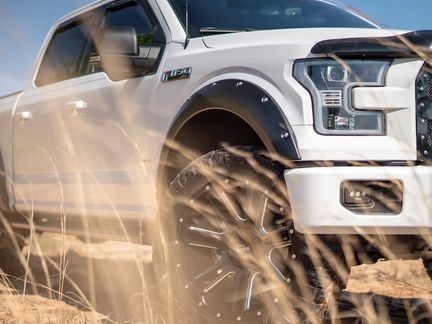
Trucks generally have broader aftermarket support, as they’re highly versatile and used for everything from off-road rigs to workhorses. Lift kits, bumpers, winches, headache racks, and more are all at your disposal, as are performance modifications—especially for diesel trucks.
Alternatively, SUVs are more of a case-by-case basis. While popular off-road platforms like the Jeep® Wrangler or Toyota 4Runner have loads of aftermarket support, less popular models may have a much more limited selection.
Which Is Right For You?
When choosing between a truck and an SUV for off-roading, it all comes down to your individual needs and how you plan to use your rig.
Choose a truck if you frequently haul heavy gear, tow often, or need maximum cargo space for all of your tools, recovery equipment, or an overland-style bed rack and tent.
Choose an SUV if you value the smaller size, maneuverability, and secure storage for passengers and gear.
Ultimately, neither platform is the right or wrong choice. Choose a vehicle that best suits your needs, budget, and style. When you’ve selected your platform, shop lift kits, tires, bumpers, and more at RealTruck for maximum style and performance—on and off-road.
Shop Now
RealTruck is your home for the best products to outfit your build for unforgettable adventures.
All Off-Roading Gear | Suspension Upgrades | Wheels & Tires | Fender Flares | Winches & Winch Accessories
See More Off-Road Articles Here...
- …
Join over 2 million RealTruck people
Get exclusive savings, insider information, and the latest RealTruck articles sent straight to your inbox.