Free Shipping on Orders $100+
Bring Your Truck to Life in 3D with RealTruck Builder
Jeep Death Wobble: What Is It and How to Fix It
Updated on Sep 17, 2025


We’ve all heard the horror stories of death wobble—the sudden, violent shaking that feels like it could rip the steering wheel from your hands. It's an unsettling experience, especially when it happens at speed—but while it's dramatic, it’s not as mysterious or catastrophic as many make it out to be.
Our experts are here to clear up the confusion and help you understand what Jeep death wobble actually is, what causes it, and—most importantly—how to fix it. In this article, we’ll break down the symptoms, sources, and solutions to keep your suspension dialed in and your steering rock solid.
What Is Jeep Death Wobble?
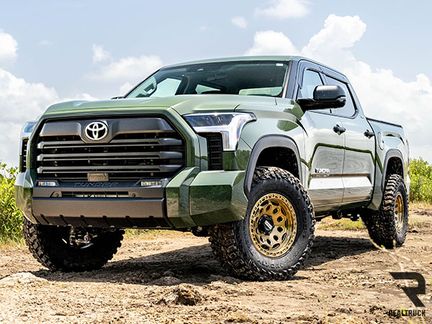
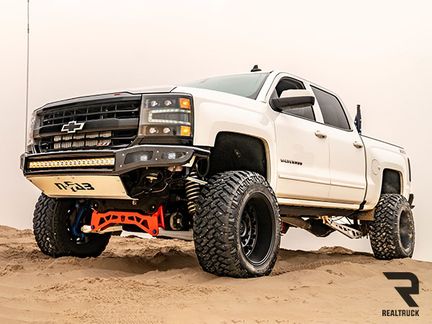
Despite the nickname, "Jeep death wobble" isn’t exclusive to Jeeps. Any vehicle with a solid front axle and coil-spring suspension—like many heavy-duty trucks and 4WD rigs—can experience it.
Death wobble is a violent, uncontrollable shaking of the front suspension, typically triggered at higher speeds after hitting a bump, pothole, or expansion joint. Rather than recovering normally, the front tires begin oscillating rapidly—shaking side to side (a shimmy) or bouncing up and down (a tramp)—and the steering wheel jerks aggressively in your hands. It usually doesn’t stop until the vehicle slows down significantly or comes to a complete stop.
What Jeep Models Get Death Wobble?

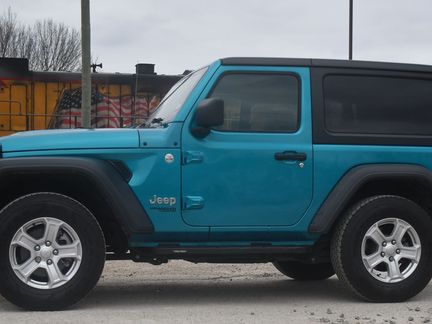
In general, death wobble is a condition that primarily affects solid-axle vehicles, including all generations of Jeep Wranglers, from the YJ to the JL, and the Jeep Gladiator JT. While no particular model year is excluded, specific model years are more prone to death wobble than others. For instance, FCA (Fiat Chrysler Automobiles) issued settlements to the owners of various 2018 to 2020 Jeep Gladiator and Wrangler models due to suspension issues causing the dreaded death wobble.
What Causes Jeep Death Wobble?
Now that we’ve defined death wobble, let’s explore the most common causes behind it. Most cases involve one or more of the following issues:
Worn Suspension Components
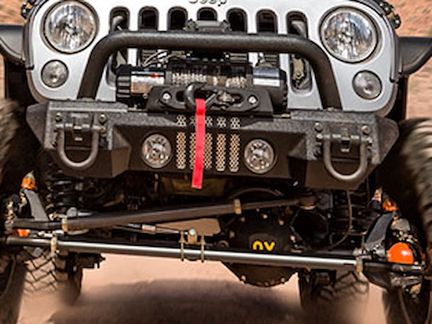
The number one culprit behind death wobble is worn suspension parts—especially those with bushings or joints that can develop play over time. Common problem areas include:
Track bar bushings
Control arm bushings
Ball joints
Drag link
Steering damper
Here’s how it works—if your track bar has play, it allows the axle to shift side to side under the vehicle. That movement is transmitted through the drag link, which in turn moves the steering box and ultimately causes the steering wheel in the cab to jerk. The result? A front end that feels like it's shaking itself to pieces.
Improper or Uneven Tire Pressure
Uneven or incorrect tire pressure can also trigger death wobble. Both over-inflated and under-inflated tires affect sidewall rigidity, which can exaggerate instability during road impacts. If you’re experiencing issues, start by checking your tire pressures—it’s a quick, easy, and free diagnostic step.
Poor Alignment
Improper alignment—primarily lack of positive caster—is another common cause of death wobble. A frequent myth is that alignment isn’t necessary when lifting a solid front axle vehicle, as long as the toe remains unchanged. That’s simply not true.
Lifting a Jeep or similar vehicle changes the caster angle by rotating the axle away from the frame. As the caster moves into the negative range, the front end becomes less stable and more prone to bump steer and wobble. Most solid front axle vehicles require between four and five degrees of positive caster to maintain safe, predictable handling.
How to Fix Death Wobble
Now that you know what causes death wobble, here’s how to diagnose and eliminate it from your vehicle for good.
Step 1: Inspect the Suspension for Worn Components
To begin, assess whether any components are worn or damaged. This section will cover the various components to inspect and explain how to determine which ones require replacement.
Checking for Play in the Ball Joints
The ball joints are a common joint to wear in the front suspension. These joints are located at the top and bottom of the steering knuckle, where the knuckle meets the ears of the axle housing. To inspect for wear, elevate the front of your Jeep or pickup and place a jack stand beneath the axle tube for security. Then, grab the top and bottom of the wheel and shake it up and down, keeping an eye out for any noticeable back-and-forth/up-and-down play.
Alternatively, you can use a pry bar to gain leverage beneath the tire or between the axle tube and steering knuckle. If excess play is present, then the ball joints must be replaced.
Checking for Play in the Track Bar, Steering Linkage, and Control Arms
During this step, we’ll inspect other critical joints and bushings for excess play. We recommend having an extra set of hands for this step.
With your vehicle running, in park, and the parking brake engaged, have a friend slowly crank the steering wheel back and forth while you maintain a clear view of the front axle. Inspect each tie rod, the drag link, and the track bar for deflection or excess movement at the joints and bushings. If play is present, the components must be replaced.
While you may notice some movement in the control arms using this method, it can be challenging. For a clearer view, have a friend tap the brakes while rolling forward and reversing on a flat, level surface, such as a driveway or parking lot. With a clear view of your vehicle’s control arms, inspect for any movement in the joints.
Inspecting the Steering Stabilizer for Damage or Wear
Lastly, let’s inspect the steering damper for excessive wear. Before removing the damper, inspect the shock body for any signs of physical damage, such as dings, dents, heavy abrasions, or leaking oil. If none of these symptoms are present, proceed to removal.
At this point, attempt to compress the damper by hand. If you can push the shock shaft into the body with minimal effort or if the shock shaft fails to return to its extended position after compressing, the damper likely requires replacement.
Step 2: Replace Damaged and Worn Components
If you’ve isolated some components with excessive wear in the first step, it’s time to replace them. Browse RealTruck’s extensive inventory of suspension components to ensure you're getting a quality product from a reputable dealer.
Step 3: Get an Alignment
After replacing any damaged or worn components, it’s time to take your vehicle to an alignment shop. During a comprehensive alignment, certified technicians will adjust your Jeep or truck’s front end to ensure the caster, camber, and toe angles are within specification. They’ll also verify that the steering wheel is perfectly centered when tracking straight.
After the alignment, pat yourself on the back and enjoy your death-wobble-free ride.
Once aligned, you’ll be ready to hit the road with confidence—and no more death wobble.
Keep Your Rig in Control with RealTruck
Death wobble might feel like a nightmare when it hits, but with a quick inspection and the right parts, it’s completely fixable. Whether you're replacing worn components or upgrading for off-road confidence, RealTruck has everything you need to keep your suspension tight and your ride steady.
Shop premium-grade suspension components, like ball joints, tie rods, steering dampers, and complete suspension kits from trusted brands—all backed by expert support and fast shipping.
Explore RealTruck’s full lineup of steering and suspension parts today, and put an end to death wobble—for good.
Shop Now
RealTruck is your home for the best products to outfit your build for unforgettable adventures.
Suspension | Suspension Components | Sway Bars | Shocks and Struts
See More Guide Articles Here...
- …
Join over 2 million RealTruck people
Get exclusive savings, insider information, and the latest RealTruck articles sent straight to your inbox.