Free Shipping on Orders $100+
Unibody Vs. Body-on-Frame: What’s the Difference?
Updated on Nov 19, 2025


When you’re shopping for a new truck or SUV, the question of durability may arise. One of the most significant differences found on modern vehicles isn’t the aesthetics or amenities—it’s what lies below the surface. Most new trucks, cars, and SUVs are built using one of two chassis designs—unibody or body-on-frame. While both serve the same basic purpose of providing a base structure for the vehicle, their differences can affect several aspects of vehicle ownership, ranging from long-term durability to ride quality.
In this article, we’ll break down the differences between unibody and body-on-frame vehicles, including what each is, what it means for durability and design, and which chassis type best suits your needs. Read on to learn more about these options, from key qualities like off-road prowess, strength, and cost.
Table of Contents:
What Is a Unibody Frame?

A unibody is a type of vehicle where the body and frame are unified into a single structure. Instead of mounting a separate body onto a frame, unibody vehicles combine both components into a durable shell for structural rigidity and protection.
In a unibody chassis, every component of the body and frame is assembled as one. Floor pans, pillars, roof, and crumple zones are all integrated and engineered to work together, allowing the entire structure to absorb impacts and remain rigid in all driving conditions.
Unibody constructions are commonly found in cars, crossovers, and light-duty SUVs, offering superior comfort and safety.
Pros | Cons |
|
|
What Is a Body-on-Frame?
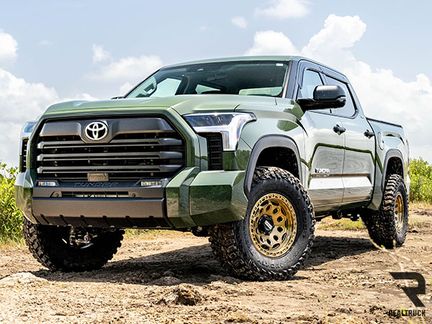
Body-on-frame is a traditional chassis design often employed on heavy-duty pickup trucks and full-size SUVs. Unlike unibody constructions, body-on-frame chassis feature a rigid steel frame with a sheet metal body attached to it. The frame serves as the vehicle's skeleton, supporting the suspension, drivetrain, and body.
Body-on-frame vehicles are known for their robust durability and performance. The two-part design, usually separated by rubber bushings, helps to isolate the body from driveline vibrations and chassis flex. Repairs are often more straightforward as well, as body damage rarely leads to severe structural damage.
Body-on-frame is still the go-to chassis design for full-size pickups and heavy-duty SUVs. It’s the ideal option for those who demand a workhorse with serious strength and off-road capabilities.
Pros | Cons |
|
|
Body-on-Frame Vs. Unibody: At a Glance
Want a quick rundown of the major differences between these two chassis types? Check out the table below for characteristics like construction, weight, and efficiency.
Feature/Category | Unibody | Body-on-Frame |
Construction | Integrated, one-piece body and frame. | Two-piece design, featuring sheet metal body bolted onto rigid steel frame. |
Weight | Typically lighter | Generally heavier |
Fuel Efficiency | Typically higher due to lower weight and smaller size. | Generally lower due to larger size and heavier weight. |
Towing Capacity | Limited towing capacity—generally under 3,500 pounds. | Superior towing capacity—up to 9,000+ pounds. |
Off-Road Performance | Low to moderate | Moderate to high |
Common Applications | Cars, crossovers, and mid-size SUVs. | Full-size trucks, large SUVs, and off-road platforms like Jeep Wranglers. |
Unibody Vs. Body-on-Frame: Strength and Safety
One of the significant discrepancies between unibody and body-on-frame vehicles is their strength and safety. While both are durable, they’re strong and safe in different ways and in various driving conditions.
Strength
Regarding strength, body-on-frame vehicles are typically considered stronger in terms of towing, hauling, and off-road abuse. The separate steel frame and body, isolated by rubber bushings, better withstands flexing on the trail, impacts, and heavy loads without wearing the vehicle’s body.
On the other hand, unibody vehicles are more rigid. With a one-piece body and frame, flexing is virtually non-existent. While this rigidity translates to superior handling and stability through fast corners, unibody vehicles are less effective at withstanding extreme stress, such as heavy towing or extreme articulation.
Safety
Next, let’s talk about safety. Typically, body-on-frame vehicles, with their one-piece design and integrated crumple zones throughout, can be over-engineered for superior crash test results. Engineers can focus specific loads and impacts on particular areas of the body, outside of the passenger compartment, to keep the driver and passengers safe while sacrificing other areas of the vehicle.
By contrast, body-on-frame vehicles don’t absorb impacts as efficiently. The frame absorbs the majority of the force from an accident, which can be transferred through the entire vehicle to the passengers. That being said, most modern body-on-frame vehicles still offer ample protection for passengers.
Unibody Vs. Body-on-Frame: Capabilities
If you’re stuck between a unibody or body-on-frame vehicle, consider your needs and expectations. Both offer different levels of capabilities, particularly in terms of off-road abilities, towing and hauling capacity, and on-road performance.
Off-Road Performance
Unibody vehicles are generally viewed as pavement dwellers. Their rigid chassis and, typically, four-wheel independent suspension deliver tight, predictable, and responsive performance on the street. However, taking a unibody vehicle off-road is where the shortcomings become noticeable.
Unibody vehicles are generally viewed as light-duty off-roaders. They’re suitable for relatively flat dirt roads and trails, especially when equipped with a suitable all-wheel drive system, but they don’t typically fare well on larger obstacles or in deep mud.
Alternatively, body-on-frame vehicles, especially those equipped with part-time four-wheel drive systems, offer exceptional off-road performance. Their confidence-inspiring suspension systems and brute strength make them the ideal vehicle for trekking off the beaten path. Body-on-frame vehicles are also generally easier to modify with aftermarket suspension systems and body protection.
Towing and Hauling
Towing is another area where unibody vehicles tend to struggle. Most feature capacities of 3,500 pounds or less, making them far less adept at hauling heavy loads or towing large trailers. By comparison, body-on-frame vehicles are known to haul sizable loads, with half-ton trucks and SUVs featuring capacities of up to 10,000 pounds, and heavy-duty trucks, such as the Ford F-450, withstanding loads of up to 40,000 pounds.
On-Road Performance
On-road performance is where a unibody vehicle scores some points back. Their lower weight and improved rigidity, compared to body-on-frame vehicles, deliver superior handling characteristics, a tighter turning radius, and a smoother ride.
Alternatively, body-on-frame vehicles often feel bulkier and less polished on the road. However, most truck and SUV owners aren’t looking for the smoothest ride on the road.
Unibody Vs. Body-on-Frame: Longevity and Durability
Durability is another primary consideration, especially when it comes to trucks and full-size SUVs. While both unibody and body-on-frame vehicles can last for hundreds of thousands of miles, they feature different strengths and weaknesses.
Unibody vehicles are typically engineered for lighter-duty use compared to body-on-frame vehicles. While their one-piece construction is more rigid on the road, it’s less adept at handling serious use and abuse. Corrosion resistance is also a significant consideration, and unibody vehicles have both advantages and disadvantages in this regard. While the advanced construction and full-body rust-proofing can stave off rust for some time, once rot begins to take hold, it can lead to serious structural issues.
Body-on-frame vehicles, on the other hand, are specifically designed to endure rigorous conditions. From towing trailers to navigating challenging obstacles, the rigid steel frame and lighter-duty body are better equipped to handle flexing and stress. Plus, when repairs are necessary, typically only either the frame or the body is affected, rather than both. With a more modular design, repairs are routinely more straightforward, and body rust is rarely a structural problem.
Unibody Vs. Body-on-Frame: Pricing
Next, let’s discuss pricing. From up-front cost to resale value, these chassis types offer pros and cons in different markets.
Up-Front Cost
When shopping for a new vehicle, you’ll likely notice that unibody and body-on-frame vehicles come in at different introductory prices. This price discrepancy is due to several factors, including the cost of production, the vehicle’s size (which affects raw materials and engine size), and the complexity of assembly. In most cases, unibody vehicles are smaller, require more materials, and are more labor-intensive to assemble, giving them a higher MSRP.
Repair and Maintenance Costs
So, what about repair costs? Typically, unibody vehicles are more expensive to repair due to their one-piece design. Whereas an accident in a body-on-frame vehicle may only result in damage to the body or frame, both are compromised when a unibody vehicle is involved in a collision. As a result, repairing the vehicle to a road-worthy level is more time-consuming and typically involves replacing large sections of the unibody.
Resale Value
In the long term, both unibody and body-on-frame vehicles can have solid resale value. However, as enthusiasts, it’s tough to rely solely on blue-book figures and insurance claims. Any well-maintained, accident-free vehicle will likely command a solid price upon sale, especially if the vehicle has a large fan base or following, such as Jeeps or classic pickups.
In general, unibody vehicles retain their value well in urban areas, prioritizing on-road comfort, efficiency, and light-duty use. Alternatively, heavy-duty body-on-frame vehicles will hold their value better in enthusiast circles.
Unibody Vs. Body-on-Frame: Which is Right for You?
When choosing between a unibody and body-on-frame vehicle, you’ll need to determine which features you prioritize more and which vehicle best suits those needs.
If you’re planning to use the vehicle primarily for commuting, errands, and on-road use, a unibody vehicle is a suitable choice. Offering solid fuel efficiency, a smooth and quiet ride, and more refined handling, a unibody vehicle will likely perform better for your needs at a lower price—it’s a win-win.
Alternatively, if you frequently tow, haul, or trek off-road, a body-on-frame vehicle is the clear choice. With more impressive durability and exceptional off-road performance, a body-on-frame vehicle is the tougher, more robust option. Plus, they’re easier to modify and repair—a definite pro for enthusiasts.
Whichever route you go down, RealTruck has the parts and upgrades to help you make the most out of your ride. Browse our extensive inventory, which includes lift kits, wheels and tires, floor liners, deflectors, and more, to bring your vehicle to life.
Shop Now
RealTruck is your home for the best products to outfit your build for unforgettable adventures.
All Truck Parts | Lift Kits | Wheels and Tires | Floor Mats and Liners | Deflectors and Visors
See Recent RealSource Articles Here...



- …
Join over 2 million RealTruck people
Get exclusive savings, insider information, and the latest RealTruck articles sent straight to your inbox.