Free Shipping on Orders $100+
Build Your Truck in 3D with RealTruck Builder
Four Symptoms of a Bad Tie Rod
Updated on Aug 20, 2025


Tie rods play a vital role in your vehicle’s steering system, translating your input at the wheel into precise movement at the front tires. And when they begin to fail, the signs are hard to miss—from sloppy handling to uneven tire wear.
Before we get into the warning signs of a bad tie rod, let’s first break down what this part does, why it matters, and how it keeps your vehicle tracking straight and true.
What Is a Tie Rod?

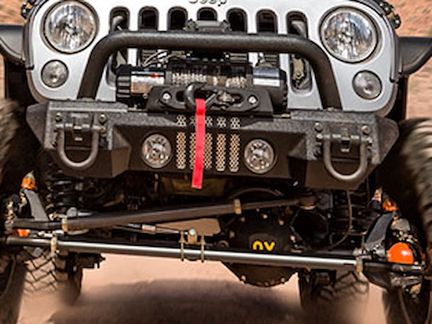
A tie rod is a crucial part of your vehicle’s steering system. Its primary job is to connect the rack and pinion or steering gearbox to the steering knuckle on each front wheel. When you turn the steering wheel, the tie rods transmit that motion to the wheels, allowing them to pivot left or right.
Each side of your front suspension includes a tie rod assembly made up of two parts—the inner tie rod and the outer tie rod end. The tie rod is responsible for maintaining alignment and keeping your wheels pointed in the correct direction. Without it, your vehicle wouldn’t be able to steer—and any play or failure in the system can lead to major handling and safety issues.
What Does a Tie Rod End Do?
The tie rod end is the outermost part of the tie rod assembly. This component serves as the critical link between the tie rod and the steering knuckle, utilizing a ball-and-socket joint to enable smooth movement and articulation as the suspension traverses bumps and turns.
Tie rod ends are designed to handle constant movement and steering input. However, over time, the joint can wear out due to impact, contamination, or inadequate lubrication. When that happens, slack is introduced into the steering system, which affects alignment, response, and overall vehicle stability.
While the inner tie rod plays a more concealed but equally important role, the tie rod end is often the first part to wear out—and usually the first to show symptoms.
What Causes Tie Rods to Go Bad?
Tie rods are durable, but they’re constantly under stress as part of your steering system—so it’s no surprise they wear out over time. Everyday driving, especially on rough roads or off-road terrain, puts added strain on the joints and can lead to accelerated wear or even bending in extreme cases.
Most failures are caused by normal wear and tear, lack of lubrication, or contamination from water, dirt, or road salt. If the protective boot around the joint tears, moisture and debris can get in, causing corrosion and internal damage. Poor alignment or other worn suspension components can also place extra stress on tie rods, causing them to wear out faster than usual.
Symptoms of Bad Tie Rods
When a tie rod starts to wear out, you’ll know. From odd noises to alignment problems, the signs are usually obvious if you know what to look for. Check out the four common symptoms of a failing or worn tie rod:
Clunking Noises
A worn or loose tie rod often produces an audible clunk or knock, especially when turning the steering wheel or driving over bumps. This noise comes from excessive play in the ball-and-socket joint, allowing the tie rod to shift and rattle against other components.
If the sound is coming from the front end and seems tied to steering input or suspension movement, it’s time to check your tie rods.
Inability to Hold an Alignment
If your vehicle keeps pulling to one side or if you find yourself needing frequent alignments, worn tie rods could be the cause. Because tie rods help maintain precise wheel alignment, any looseness or movement in the system throws off the geometry, making it challenging to stay aligned.
Left unchecked, this can lead to handling issues, premature tire wear, and steering that feels off-center.
Poor Handling Characteristics
When tie rods wear out, they introduce slop or play into the steering system. This results in vague, unresponsive steering—often described as “floaty” or “loose.” You may also notice a delayed response when turning or difficulty keeping the vehicle tracking straight, especially at higher speeds.
For trucks and SUVs, this loss of precision can feel even more pronounced, particularly when towing or cornering under load.
Uneven Tire Wear
Because tie rods play a crucial role in steering geometry, worn components often lead to uneven tire wear. You might see inner or outer edge wear, feathering, or cupping, especially on front tires.
If you're replacing tires more often than you'd expect, or noticing strange wear patterns, it's a good idea to inspect the tie rods alongside the rest of your steering and suspension system.
Shop Replacement Tie Rods
Your steering system is only as strong as its weakest link—and when that link is a worn or failing tie rod, the results can be dangerous. From clunking noises to poor handling and uneven tire wear, the symptoms are apparent, and the fix is straightforward.
Whether you're maintaining your daily driver or upgrading your off-road rig, replacing bad tie rods is one of the best ways to restore safety, precision, and confidence behind the wheel. Looking to replace yours? Explore RealTruck’s full selection of tie rods, steering components, and suspension upgrades to get your vehicle tracking straight and driving right.
Shop Now
RealTruck is your home for the best products to outfit your build for unforgettable adventures.
Bumpers | Off-Road Lights | Exhausts | Wheels and Rims | Bed Liners
See More Guide Articles Here...
- …
Join over 2 million RealTruck people
Get exclusive savings, insider information, and the latest RealTruck articles sent straight to your inbox.